-
-
Jp Nagar Phase 6, Bengaluru
The Table Tennis Racket (also called bat or paddle) is the primary equipment used to strike the ball. A racket consists of a wooden blade covered with rubber on one or both sides, depending on the playing style. The choice of racket plays a crucial role in determining a player’s speed, spin, and control during the game.
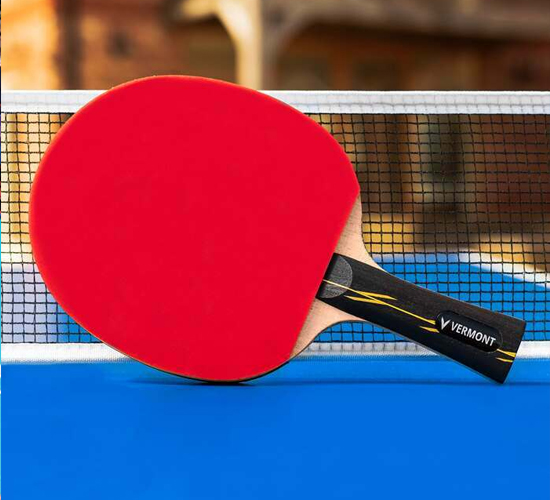
Components of a Table Tennis Racket
1. Blade (Wooden Base)
-
Usually made of 5–7 layers of wood, sometimes mixed with carbon for added stiffness.
-
Provides the base structure and affects speed & control.
2. Handle
-
Comes in different styles: Flared, Straight, or Anatomical.
-
Designed for comfort and grip stability.
3. Rubber
-
Covers one or both sides of the blade.
-
Types: Inverted (smooth), Pimpled (short/long pips).
-
Determines spin generation and ball control.
4. Sponge Layer (Optional)
-
Between rubber and blade.
-
Thickness affects speed (thicker) vs control (thinner).
Table: Table Tennis Racket Overview
| Part | Description | Impact on Game |
|---|---|---|
| Blade | 5–7 layers of wood (sometimes carbon) | Balance of speed & control |
| Handle | Flared, Straight, Anatomical | Player comfort & grip |
| Rubber | Inverted (smooth), Short/Long pips | Spin, control, strategy |
| Sponge | 1.0–2.5 mm thickness | Speed vs control balance |
Types of Table Tennis Rackets
-
All-Round Racket – Balanced speed, spin, and control (best for beginners).
-
Offensive Racket – Faster blade, thick sponge, generates high spin (for attacking players).
-
Defensive Racket – Slower blade, pimpled rubbers, better control (for defensive style).
Benefits of Using the Right Racket
-
Improved Control: Helps players place shots accurately.
-
Enhanced Spin: Crucial for offensive and defensive strategies.
-
Comfortable Grip: Reduces fatigue during long matches.
-
Customized Play Style: Players can select rubbers and blades as per their strengths.